About CALCIUM CARBONATE PRECIPITATED
We offer high-quality
Precipitated Calcium Carbonate with excellent whiteness and fine particle size. It is widely used as a
filler, extender, and reinforcing agent in the
plastic, polymer, tyre, and paint industries. Our PCC improves surface finish, reduces cost, and enhances physical properties of final products. Available in consistent quality and bulk supply.
Main Uses:
-
Acts as a filler and extender
-
Used to enhance product volume and reduce cost
-
Improves surface finish and physical properties
-
Function:
-
Reinforces strength in rubber and plastic products
-
Improves opacity, brightness, and smoothness in paints and coatings
-
Aids in processing and dimensional stability
-
Features:
-
High purity 98%and whiteness 95%
-
Fine particle size
-
Low moisture content
-
Excellent dispersion in polymer and paint systems
-
Consistent and free-flowing powder
-
Applications:
-
Plastic compounding (PVC, PE, PP)
-
Polymer masterbatches
-
Tyre and rubber manufacturing
-
Paints, coatings, and printing inks
Enhanced Performance in Multiple IndustriesCalcium Carbonate Precipitated serves diverse sectors, including plastics, paints, rubber, and polymer industries. Its high purity and fine powder form allow for universal compatibility, optimizing surface finish, brightness, and mechanical durability. Such versatility makes it a preferred choice for manufacturers seeking improved product aesthetics and functionality.
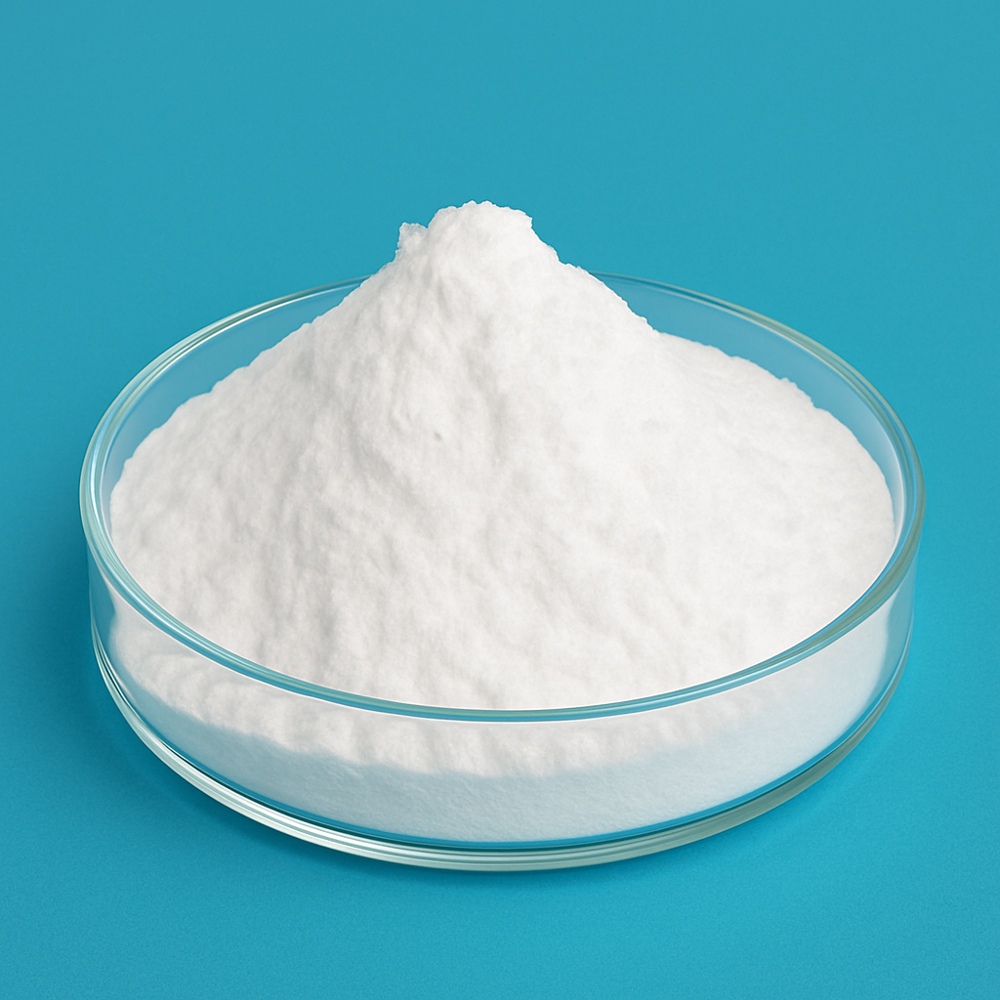
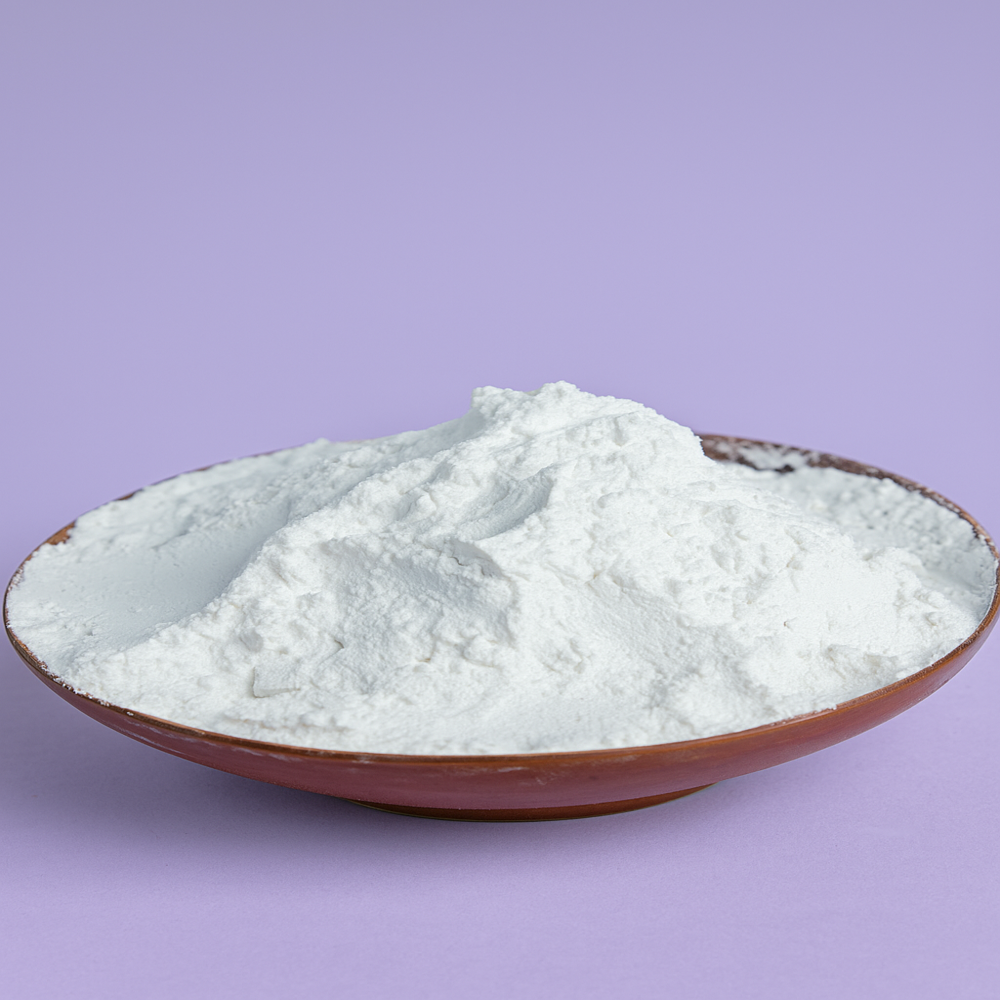
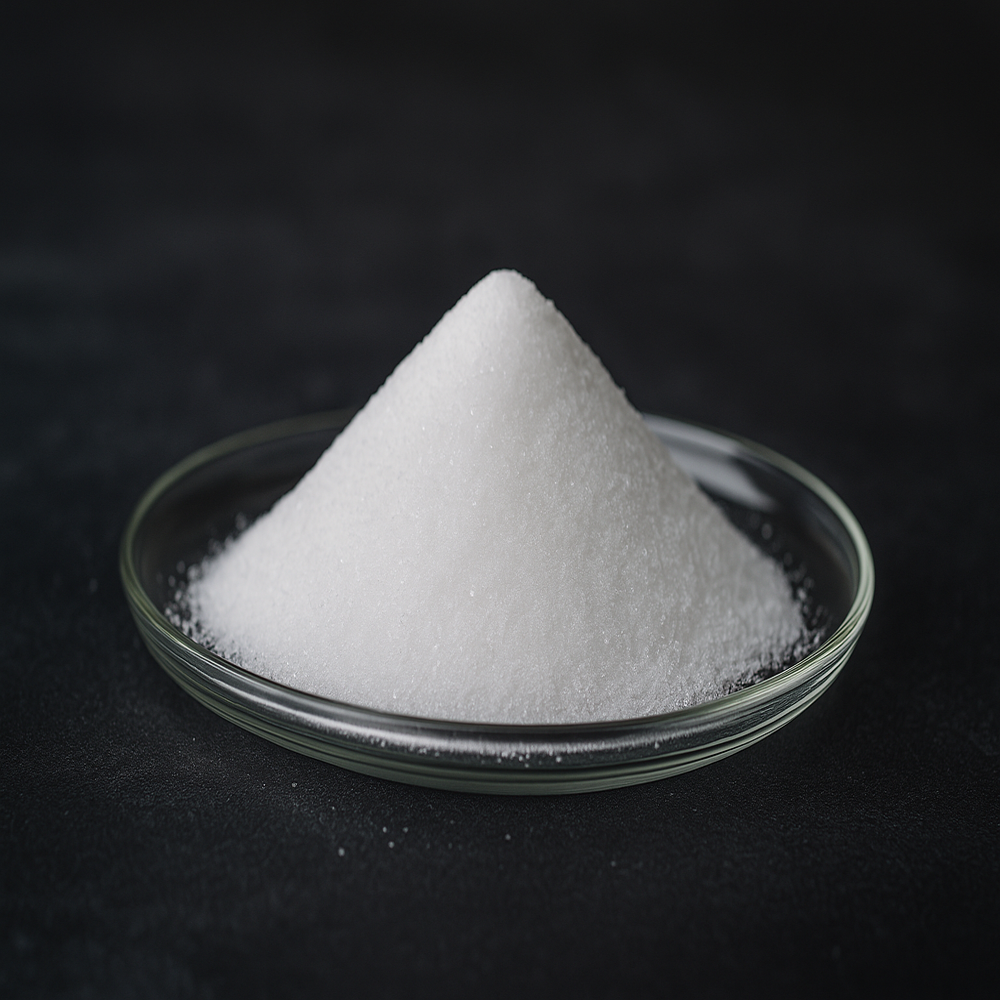
Easy Processing and ApplicationThe white crystalline powder form of this product ensures simple integration into various production lines. Its excellent dispersion characteristics result in smooth mixing and processing, streamlining manufacturing workflows and supporting operational efficiency. Consistent particle size delivers reliable results in every application.
Optimal Storage and HandlingWith a shelf life of up to two years, Calcium Carbonate Precipitated should be stored at room temperature in tightly sealed packaging to prevent contamination. Handling protocols should account for its poisonous nature, using appropriate safety measures. Adhering to these guidelines preserves product quality and ensures workplace safety.
FAQ's of CALCIUM CARBONATE PRECIPITATED:
Q: How is Calcium Carbonate Precipitated typically used in manufacturing?
A: It is mainly used as a cost-reducing filler in plastics and polymers. Additionally, it is incorporated into paints and coatings for improved surface finish and brightness, and in rubber and tyre production to enhance strength and durability.
Q: What are the benefits of using Precipitated Calcium Carbonate in paints and coatings?
A: It increases opacity, imparts a smooth texture, and significantly enhances the surface brightness and finish of paints and coatings, contributing to a more visually appealing and effective product.
Q: When should Calcium Carbonate Precipitated be added during the production process?
A: It is generally introduced during the blending or mixing stage of product formulation. Early integration ensures optimal dispersion and performance throughout the batch.
Q: Where can this grade of Calcium Carbonate Precipitated be applied?
A: This product is suitable for a wide range of industries, particularly in the manufacture of plastics, paints, coatings, rubber, and tyre products due to its high purity and effective performance characteristics.
Q: What is the recommended storage condition for this product?
A: Calcium Carbonate Precipitated should be stored at room temperature in its original, tightly sealed packaging to maintain purity and prevent degradation during its two-year shelf life.
Q: How does this product improve processing and final product quality?
A: Its fine crystalline powder form facilitates superior dispersion during processing, promoting easier handling and a smoother finished product with enhanced opacity and texture.
Q: Is it safe to handle Precipitated Calcium Carbonate?
A: As the product is classified as poisonous, appropriate safety precautions such as personal protective equipment and adherence to handling guidelines are necessary during use.











 Send Inquiry

 Send Inquiry


 Send Inquiry


 English
 Spanish
 French
 German
 Italian
 Chinese (Simplified)
 Japanese
 Korean
 Arabic
 Portuguese