About FERROUS SULPHATE DRIED POWDER
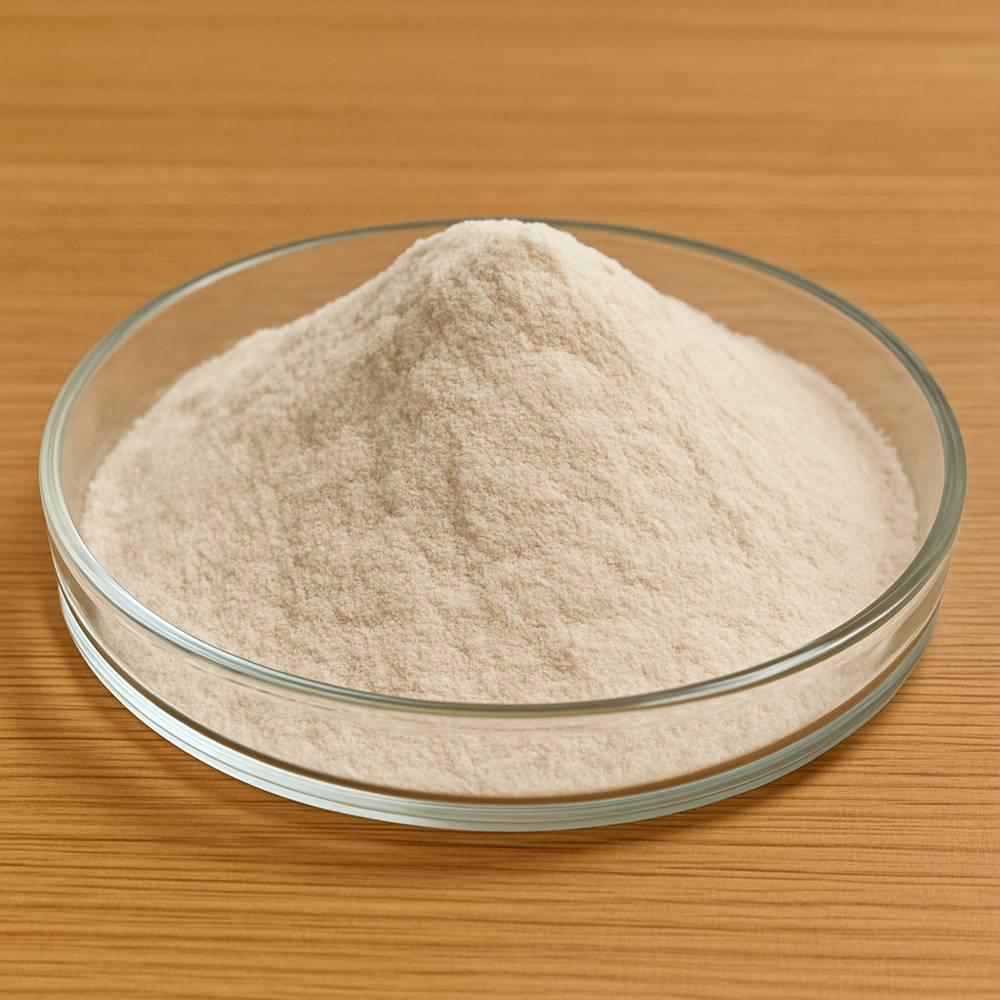
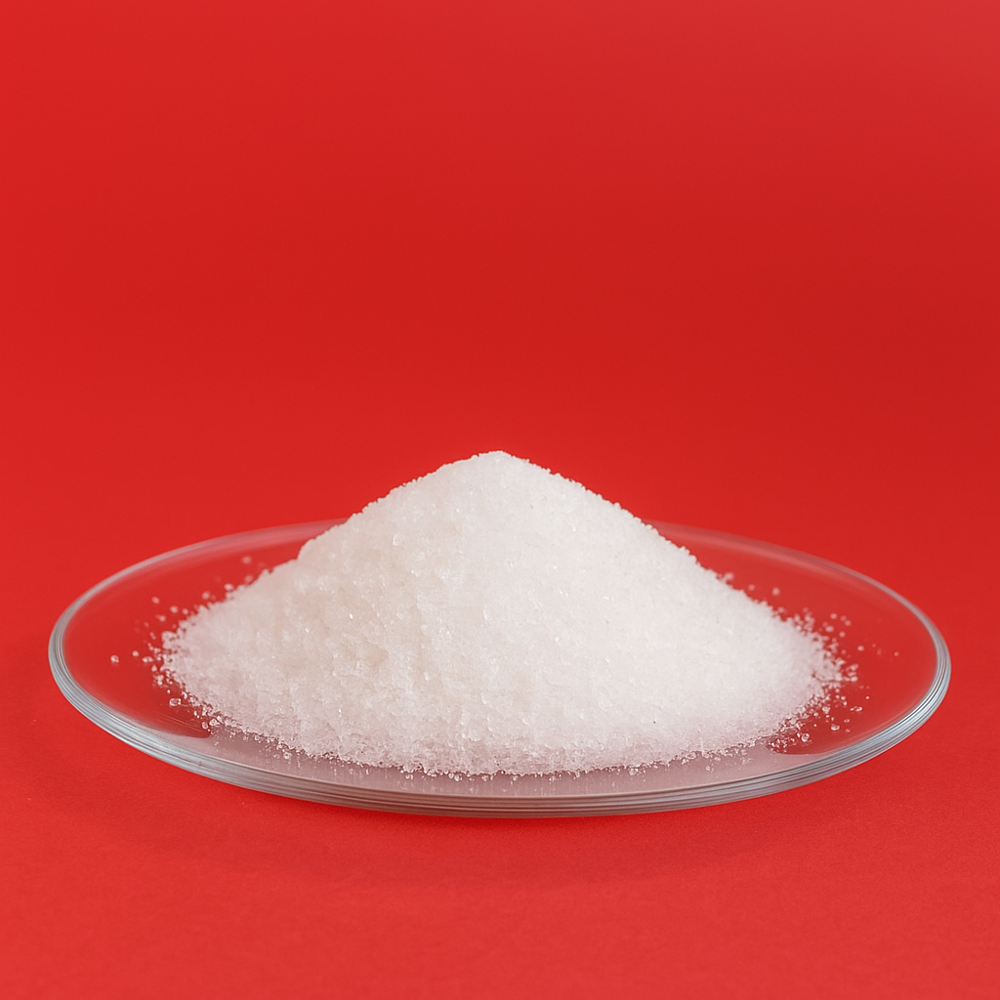
We offer premium quality Dried Ferrous Sulphate available in greyish white to buff-colored powder form. It is widely used in the rubber, polymers, paints, and chemical industries for its excellent performance, high iron content, and reliable consistency.Our product is carefully processed to maintain high purity and low moisture, making it suitable for various industrial applications such as pigment production, water treatment, and as a stabilizing agent.
Main Uses:
-
Pigment production (iron oxide)
-
Water treatment (as coagulant)
-
Filler and additive in rubber & polymers
-
Catalyst or reagent in chemical processes
-
Key Features:
-
Greyish white to buff powder
-
High Iron content (29%-31%)
-
Purity 91%
-
Low moisture and insoluble matter
-
Fine mesh (100200)
-
Water-soluble
-
Stable and consistent quality
-
Main Functions:
-
Acts as a source of iron
-
Works as a pigment precursor
-
Functions as a stabilizer and filler
-
Helps in coagulation and precipitation in water treatment
-
Applications:
-
Rubber Industry: Used for coloring and as filler
-
Polymers/Plastics: Acts as a stabilizer and colorant
-
Paint Industry: For manufacturing synthetic iron oxide pigments
-
Chemical Industry: Used in reactions and water treatment
Versatile Applications Across IndustriesFerrous Sulphate Dried Powder offers a range of applications, particularly as a stabilizer and colorant in polymers and plastics, a pigment base in rubber, and a precursor for iron oxide pigments in paints. Its solubility in water also allows for effective use as a coagulant in water treatment processes, catering to industrial, environmental, and manufacturing sectors alike.
Safe Storage and Handling GuidelinesTo maintain its quality and efficacy, Ferrous Sulphate Dried Powder should be kept at room temperature, away from moisture and direct sunlight. As the powder is classified as poisonous, appropriate safety measures, including the use of gloves and protective equipment, are crucial during storage and handling. Adhering to these guidelines ensures maximum shelf life and workplace safety.
FAQ's of FERROUS SULPHATE DRIED POWDER:
Q: How is Ferrous Sulphate Dried Powder used in the rubber industry?
A: Ferrous Sulphate Dried Powder functions as both a filler and pigment base in the rubber industry. It enhances the physical properties of rubber products and improves their color consistency by serving as a stable pigment source.
Q: What benefits does this powder offer when used in polymers and plastics?
A: When added to polymers and plastics, the powder acts as a stabilizer and colorant. It helps maintain product integrity during processing and end-use while imparting a desired color and improved material stability.
Q: Where is Ferrous Sulphate Dried Powder commonly applied in the paint industry?
A: In the paint industry, Ferrous Sulphate Dried Powder is utilized to produce iron oxide pigments, which are sought after for their strong coloring properties and durability in a range of paint and coating formulations.
Q: What is the recommended process for using this powder in water treatment?
A: The product acts as an efficient coagulant in water treatment systems. Upon dissolution in water, it facilitates the aggregation of suspended particles, making it easier to separate contaminants from treated water.
Q: When should Ferrous Sulphate Dried Powder be replaced to maintain effectiveness?
A: For optimal performance, the powder should be used within its two-year shelf life. After this period, its efficacy as a coagulant, pigment, or stabilizer may diminish, so timely replacement is recommended.
Q: How should Ferrous Sulphate Dried Powder be stored to preserve its potency?
A: Store the powder in a cool, dry place at room temperature, away from humidity and sources of contamination. Always keep the container tightly sealed and out of reach of unauthorized personnel, due to its poisonous nature.
Q: What are the safety precautions when handling Ferrous Sulphate Dried Powder?
A: As the powder is classified as poisonous, wearing gloves, protective clothing, and safety goggles is essential. Avoid inhalation, ingestion, and skin or eye contact, and always follow local safety protocols during handling and disposal.









 Send Inquiry

 Send Inquiry


 Send Inquiry
 Call Me Free


 English
 Spanish
 French
 German
 Italian
 Chinese (Simplified)
 Japanese
 Korean
 Arabic
 Portuguese