About Sodium Acid Pyrophosphate
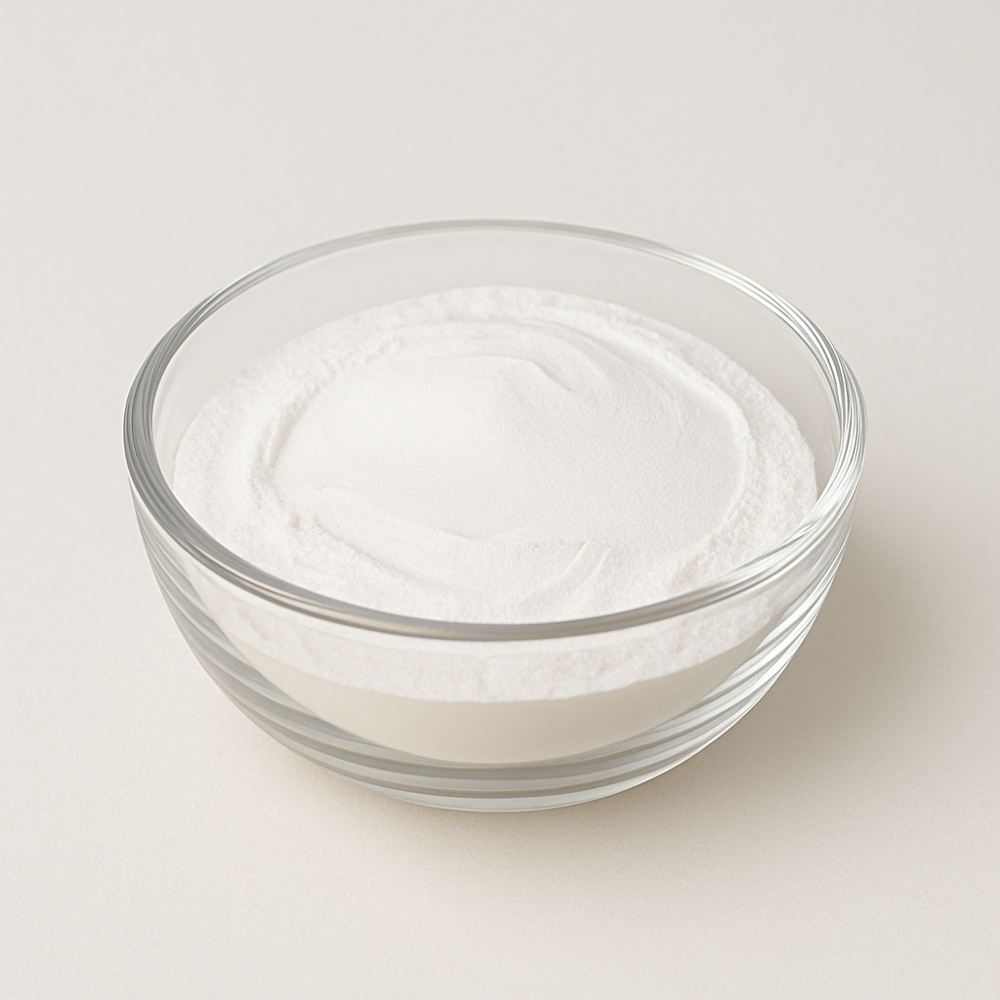
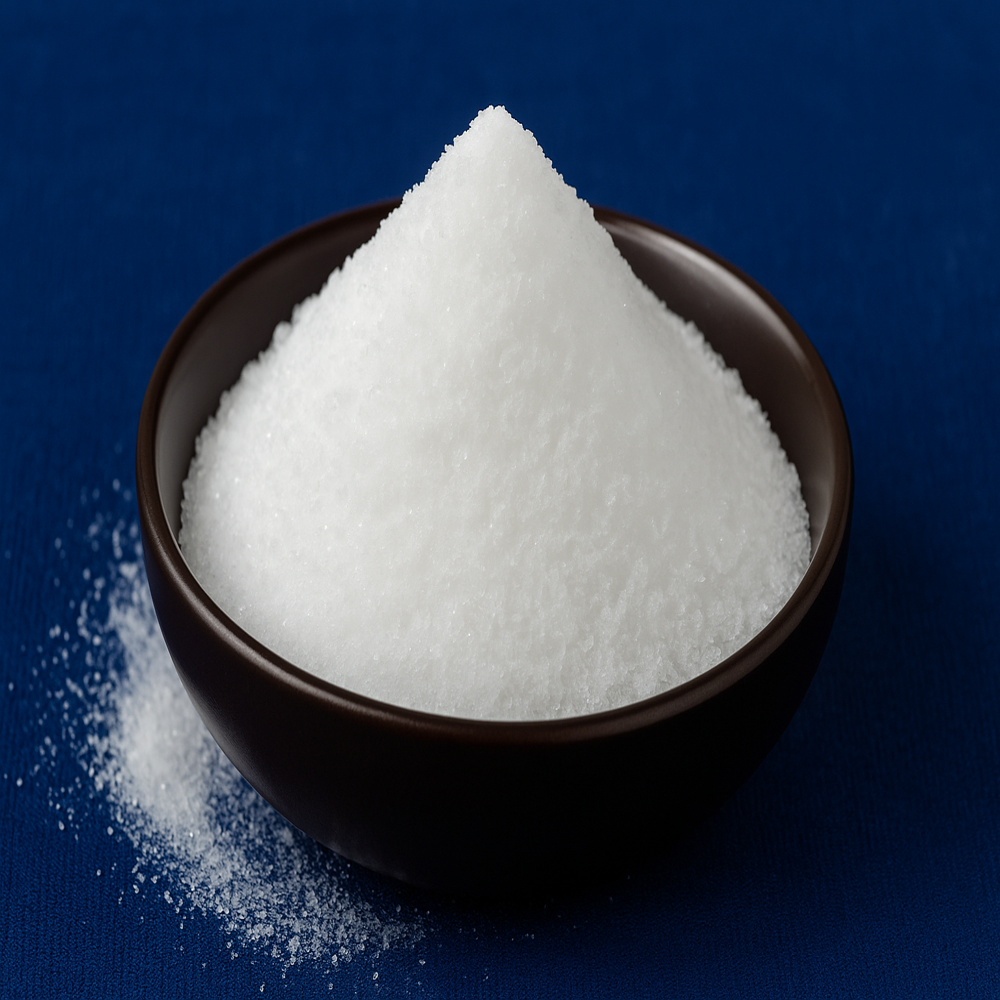
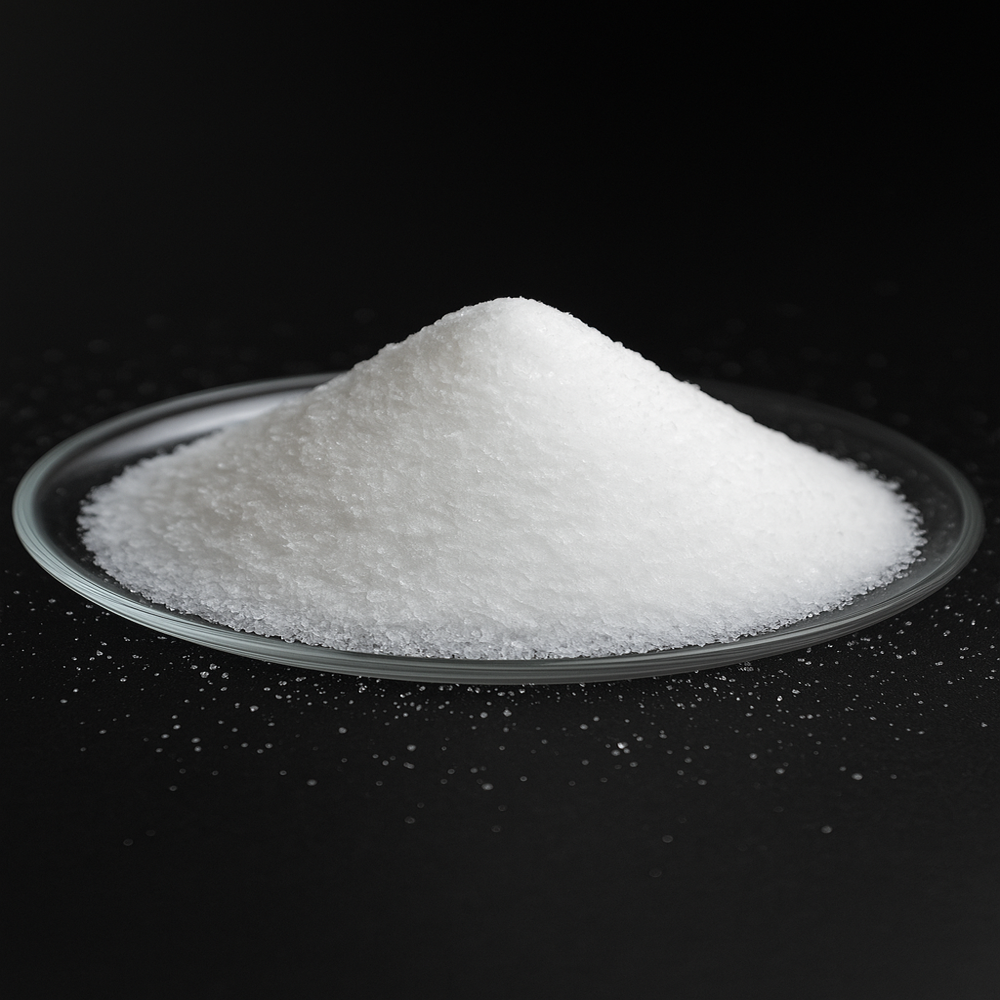
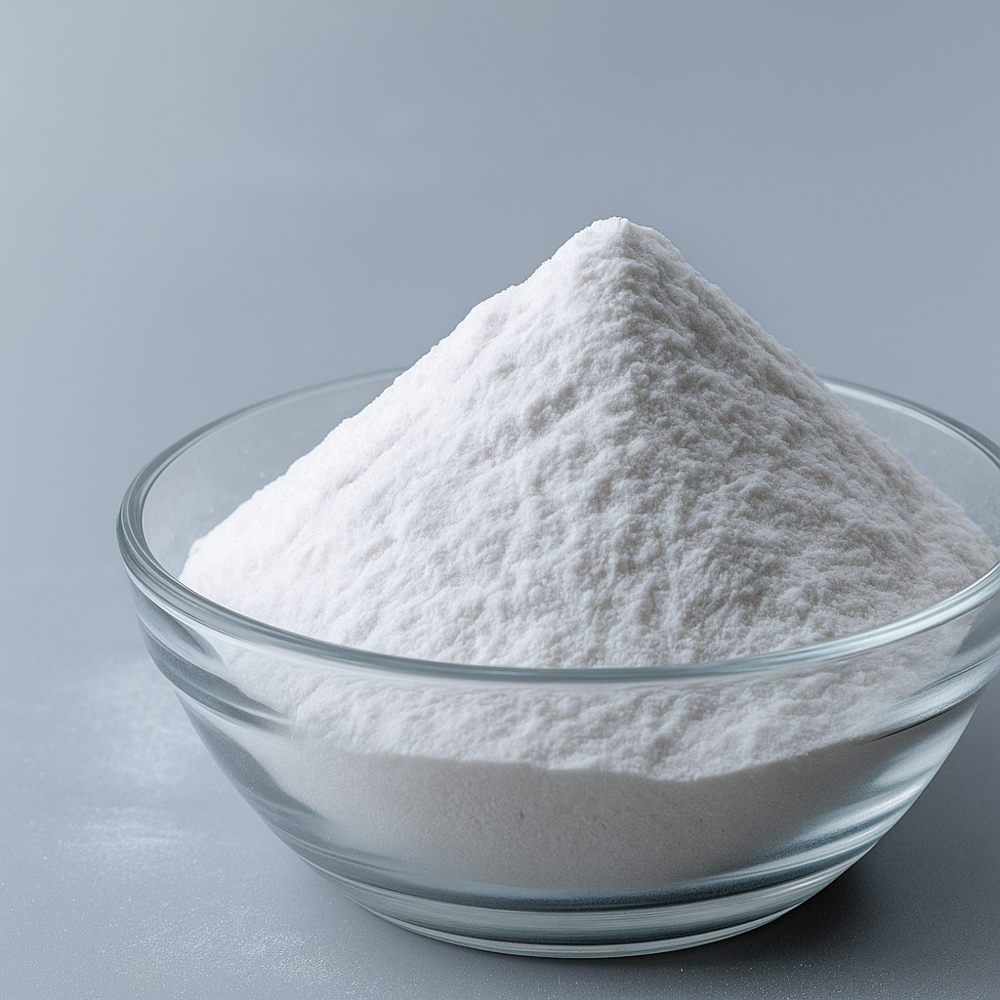
We supply premium-grade Sodium Acid Pyrophosphate specially formulated for use in the glass and ceramic industry. Known for its high purity, fast solubility, and consistent performance, our SAPP enhances dispersion, binding, and processing efficiency in ceramic and glass manufacturing.
Key Features:
-
High chemical purity
-
Fast dissolving powder
-
Excellent binding and dispersing properties
-
Stable under high-temperature processes
-
Improves product finish and strength
-
Functions:
-
Acts as a dispersing agent in ceramic slurries
-
-
Improves binding of ceramic particles
-
Enhances flowability and workability
-
Aids in uniform glazing and surface finish
-
Helps prevent defects during firing
Applications:
Versatile Industrial ApplicationsSodium Acid Pyrophosphate is specifically formulated for use in demanding industrial environments. Its functions as a dispersing and binding agent make it indispensable in ceramic, tile, and refractory manufacturing. Its ability to serve as a deflocculant and surface finisher enhances processes where precision and surface quality are crucial, ensuring reliable outcomes for manufacturers.
Enhanced Processing PerformanceThis pure, matte-finished powder improves production efficiency by aiding in material separation, enhancing mixture uniformity, and refining final product surfaces. As a non-computerized, manually applied additive, it is suitable for a broad range of operations, from small local workshops to large export-oriented units, delivering consistent performance every time.
FAQ's of Sodium Acid Pyrophosphate:
Q: How is Sodium Acid Pyrophosphate typically used in industrial processes?
A: Sodium Acid Pyrophosphate is utilized as a dispersing agent, binding agent, processing aid, deflocculant, and surface finisher. It improves material flow, mixture uniformity, and surface quality in tile, ceramic, sanitaryware, and refractory applications.
Q: What surfaces are suitable for application with this chemical?
A: This product is formulated for use on a range of surfaces such as tiles, sanitaryware, ceramics, porcelain, refractories, glassware, and glazes, making it versatile for various industrial sectors.
Q: When should Sodium Acid Pyrophosphate be added during processing?
A: It is generally introduced during the initial mixing or blending stages of material preparation to act as a processing aid and ensure proper dispersion and deflocculation throughout the mixture.
Q: Where is Sodium Acid Pyrophosphate manufactured and supplied from?
A: This chemical is manufactured and supplied from India and is available to both domestic and international markets, serving as a reliable choice for exporters, manufacturers, and suppliers.
Q: What is the process for applying Sodium Acid Pyrophosphate to industrial surfaces?
A: The powder is manually blended with raw materials in the appropriate ratios as specified for each application area. No computerized process is required, making it suitable for facilities relying on manual handling.
Q: What are the key benefits of using Sodium Acid Pyrophosphate in ceramic and glassware production?
A: It enhances product consistency, optimizes dispersion, prevents particle agglomeration, and contributes to superior surface quality, which is vital for high-grade ceramic and glassware items.








 Send Inquiry

 Send Inquiry


 Send Inquiry


 English
 Spanish
 French
 German
 Italian
 Chinese (Simplified)
 Japanese
 Korean
 Arabic
 Portuguese