About CALCIUM CARBONATE ACTIVATED
-
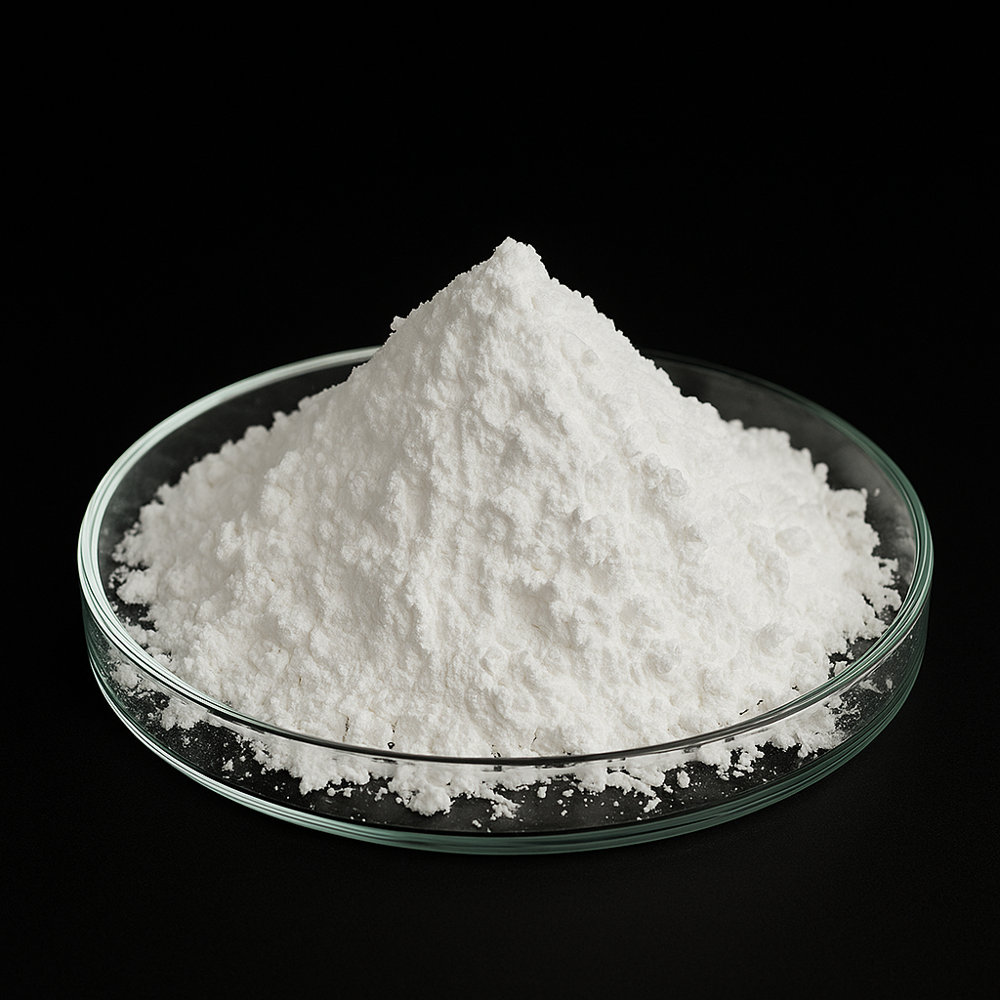
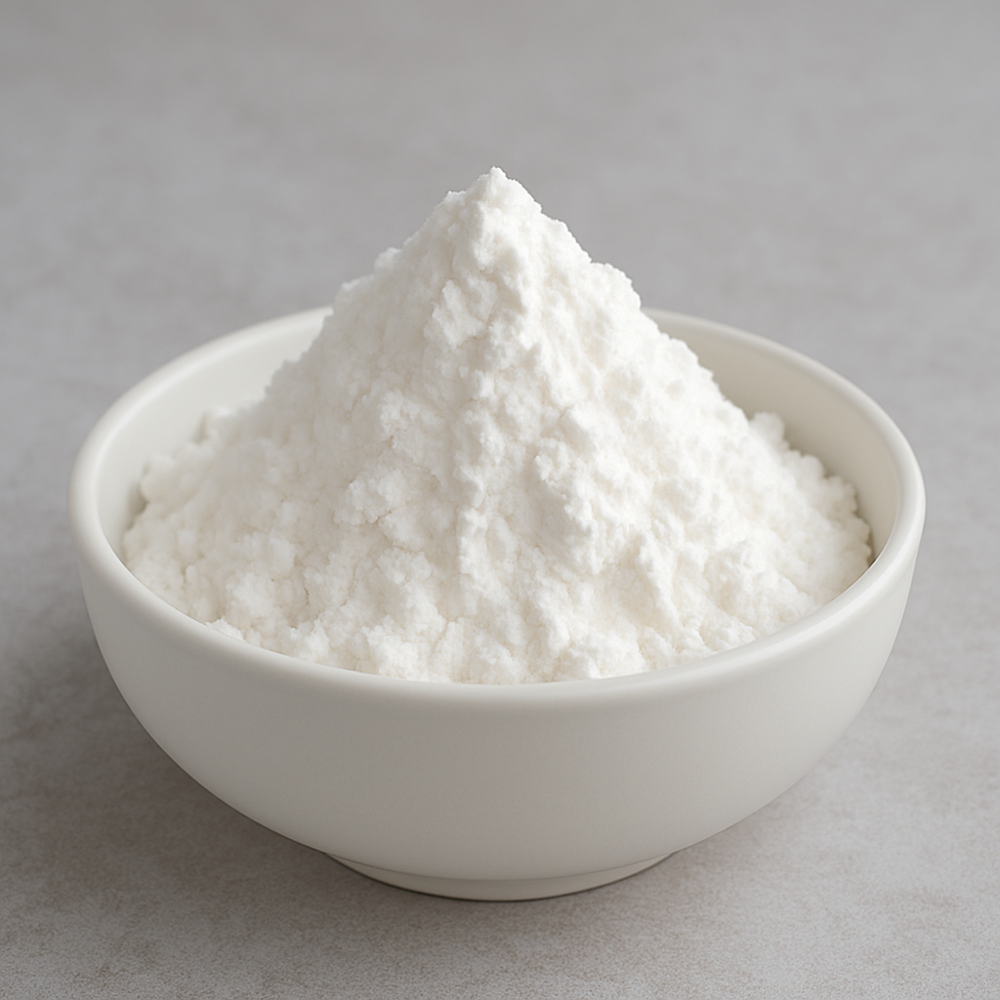
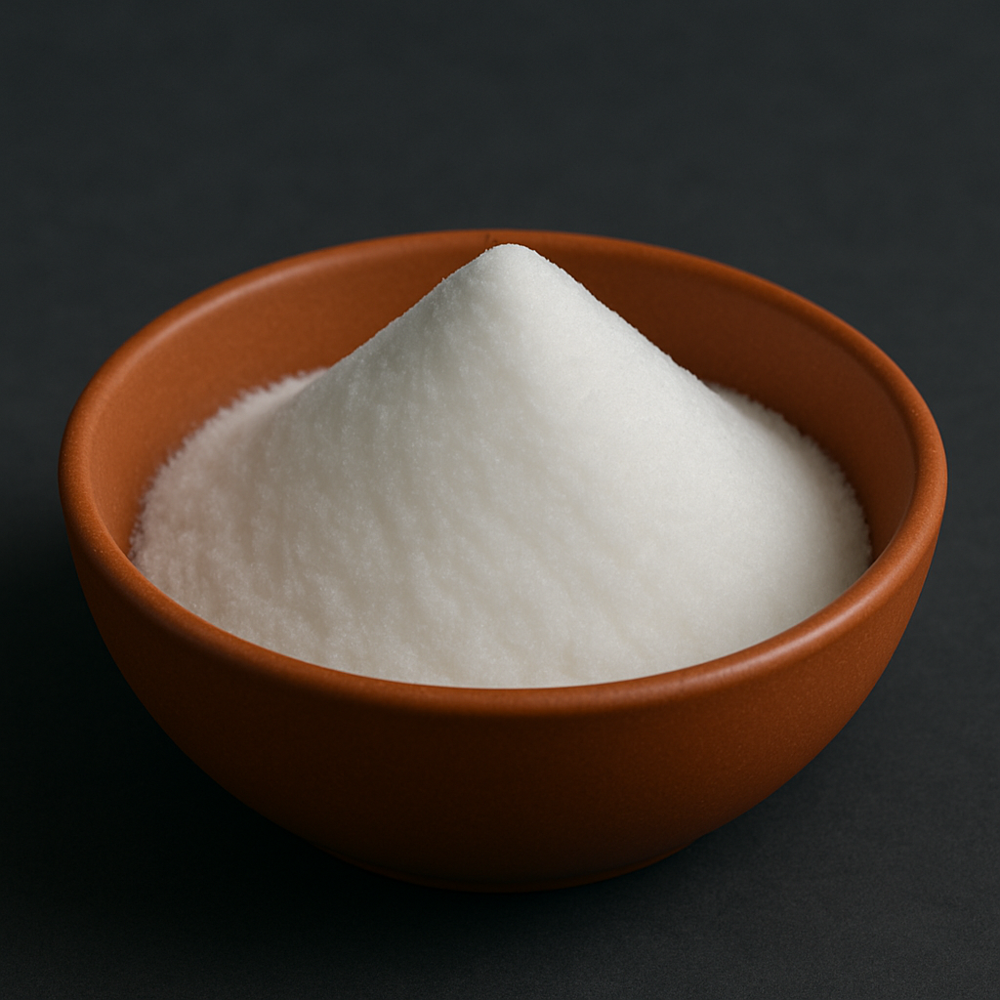
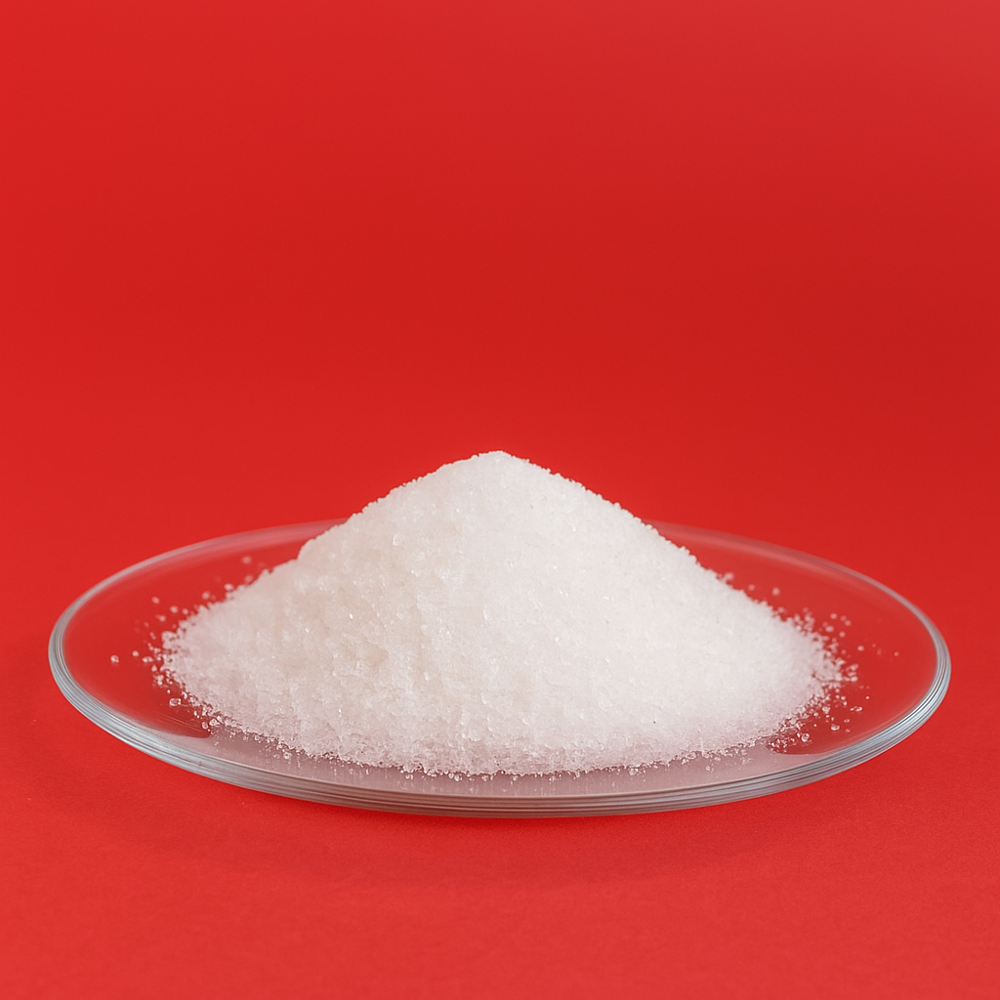
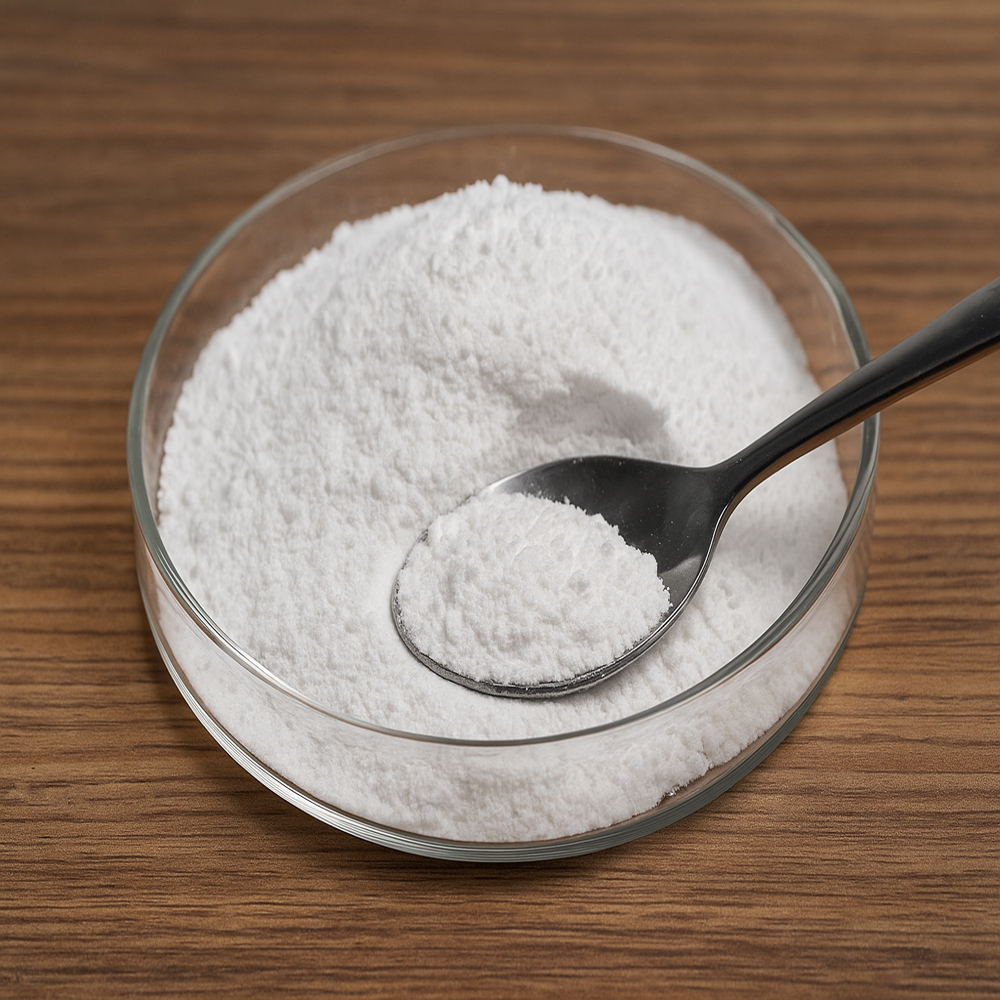
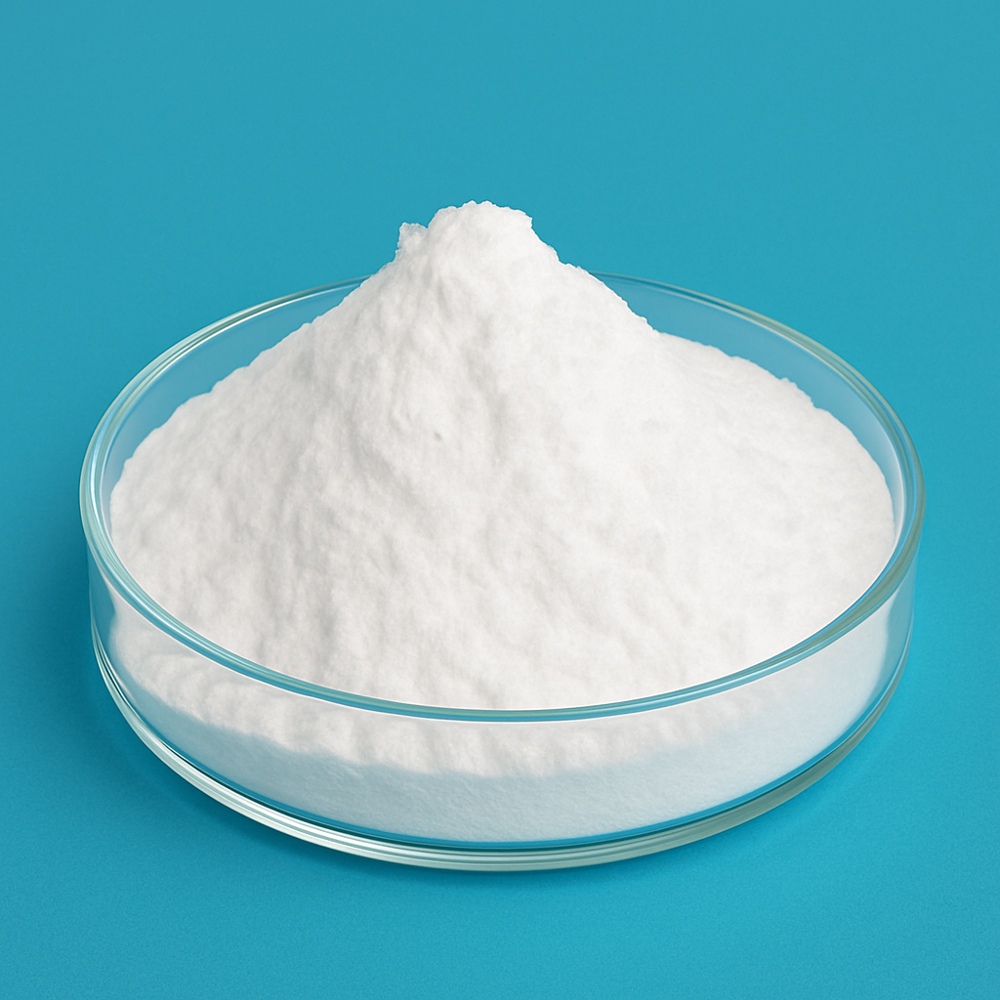
We offer premium quality Activated Calcium Carbonate, specially surface-treated for better compatibility with plastics, rubber, and polymer compounds. It improves dispersion, enhances processing, and boosts the mechanical strength of finished products. Widely used in PVC, PE, PP, tyres, paints, and masterbatches, this grade ensures excellent whiteness and consistency.
-
Main Uses:
-
Used as a filler to reduce material cost
-
Enhances surface finish and mechanical strength
-
Improves processability of plastic and rubber compounds
-
Function:
-
Acts as a reinforcing agent
-
Provides improved dispersion in polymer and rubber matrices
-
Increases dimensional stability and rigidity of final products
-
Features:
-
High purity 98% and whiteness 95%
-
Fine particle size (2-10 microns)
-
Low moisture and oil absorption
-
Consistent, free-flowing powder for easy handling
-
Applications:
-
Plastics: PVC, PE, PP compounds
-
Polymers: Masterbatches and engineering plastics
-
Rubber & Tyres: Filler and reinforcing agent
-
Paints & Coatings: Enhances opacity, brightness, and smoothness
Efficient Filler for Rubber and PlasticsActivated Calcium Carbonate serves as an advanced filler to improve the quality and reduce the manufacturing cost of rubber, PVC, and thermoplastic compounds. Its activation leads to better dispersion and integration in polymer matrices, resulting in enhanced mechanical properties and aesthetic finish in products like tyres, pipes, and films.
Benefits in Paints and CoatingsIn paints, Activated Calcium Carbonate delivers excellent opacity, brightness, and suspension stability. It also contributes to hardness and abrasion resistance, making it ideal for decorative and industrial coatings. Its ultra-fine, white powder form ensures uniformity in color and texture across applications.
FAQ's of CALCIUM CARBONATE ACTIVATED:
Q: How is Activated Calcium Carbonate used in industrial applications?
A: Activated Calcium Carbonate is commonly used as a filler in various polymer-based products, including plastics, rubber, and paints. It is mixed directly into polymer blends to improve product performance and processing efficiency.
Q: What are the benefits of using activated calcium carbonate in manufacturing?
A: Using activated calcium carbonate enhances the dispersion of the filler in polymer matrices, improves mechanical strength and surface finish, and helps manufacturers reduce overall production costs, especially in PVC, PE, PP, masterbatches, and tyres.
Q: When should manufacturers consider using activated calcium carbonate?
A: Manufacturers should utilize activated calcium carbonate when seeking to improve the physical properties and surface finish of compounds, optimize the cost of raw materials, or produce products requiring high filler loading.
Q: Is activated calcium carbonate safe to use in industrial processes?
A: Activated Calcium Carbonate is classified as poisonous and should be handled with proper personal protective equipment (PPE) and safety guidelines to avoid inhalation or accidental ingestion during processing.
Q: Where is activated calcium carbonate typically applied?
A: It is widely applied in the production of plastics (such as PVC, PE, PP), rubber products like tyres, and paint formulations, as well as in masterbatch concentrates, offering consistent performance across these sectors.
Q: How should activated calcium carbonate be stored to ensure product stability?
A: For optimal stability and longevity, activated calcium carbonate should be stored at room temperature in a sealed container, away from moisture and contaminants. When stored properly, it maintains its properties for up to two years.








 Send Inquiry

 Send Inquiry


 Send Inquiry


 English
 Spanish
 French
 German
 Italian
 Chinese (Simplified)
 Japanese
 Korean
 Arabic
 Portuguese