About CALCIUM CARBONATE PRECIPITATED
We supply premium-grade
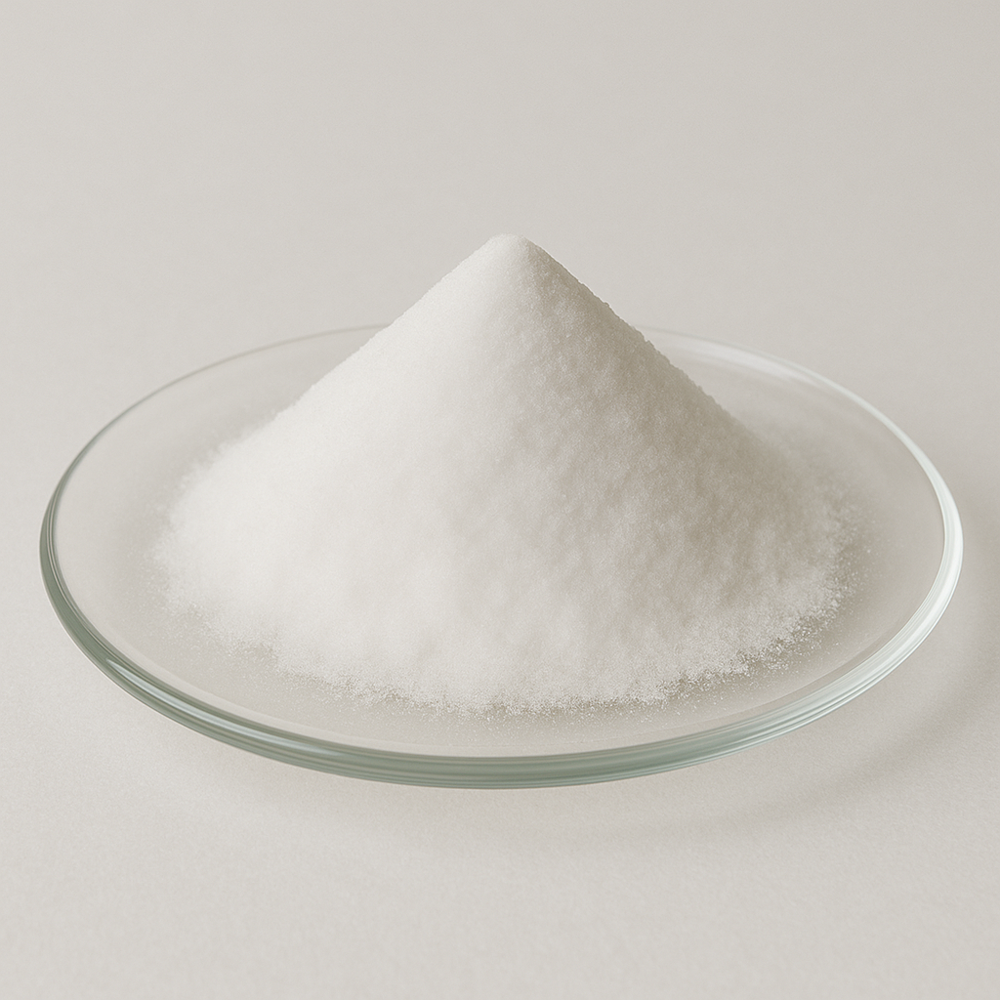
Precipitated Calcium Carbonate (PCC) designed to meet the specific needs of the glass and ceramics industry. Our PCC offers high purity, fine particle size, and excellent thermal stability, making it a reliable choice for enhancing product quality and production efficiency.
Main Features:
-
High chemical purity
-
Fine, uniform particle size
-
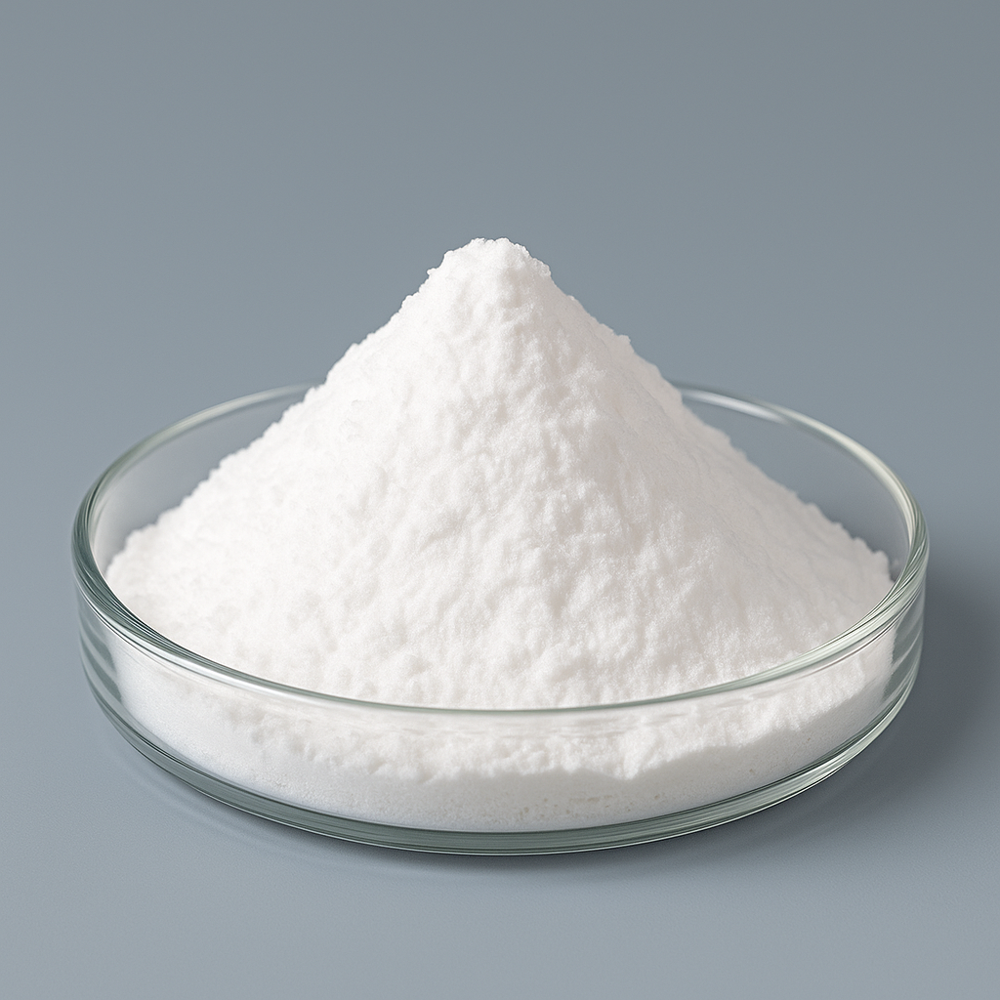
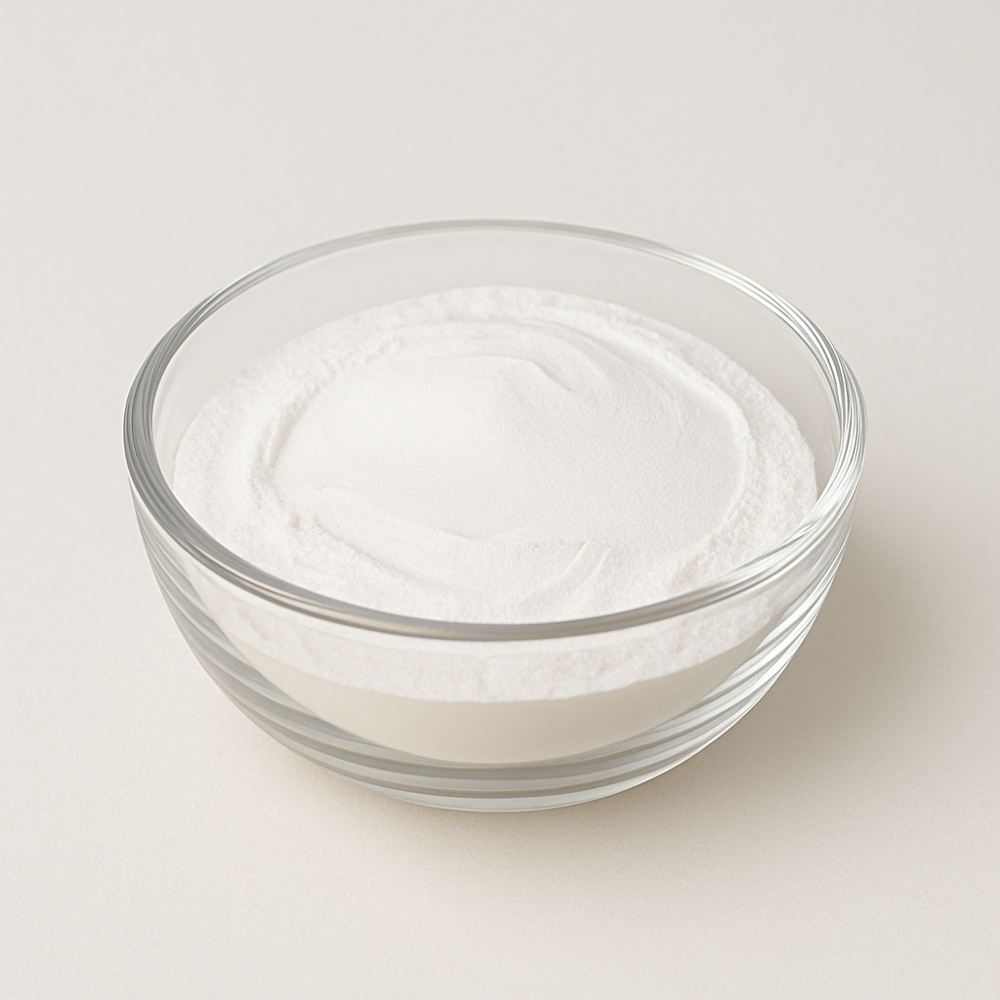
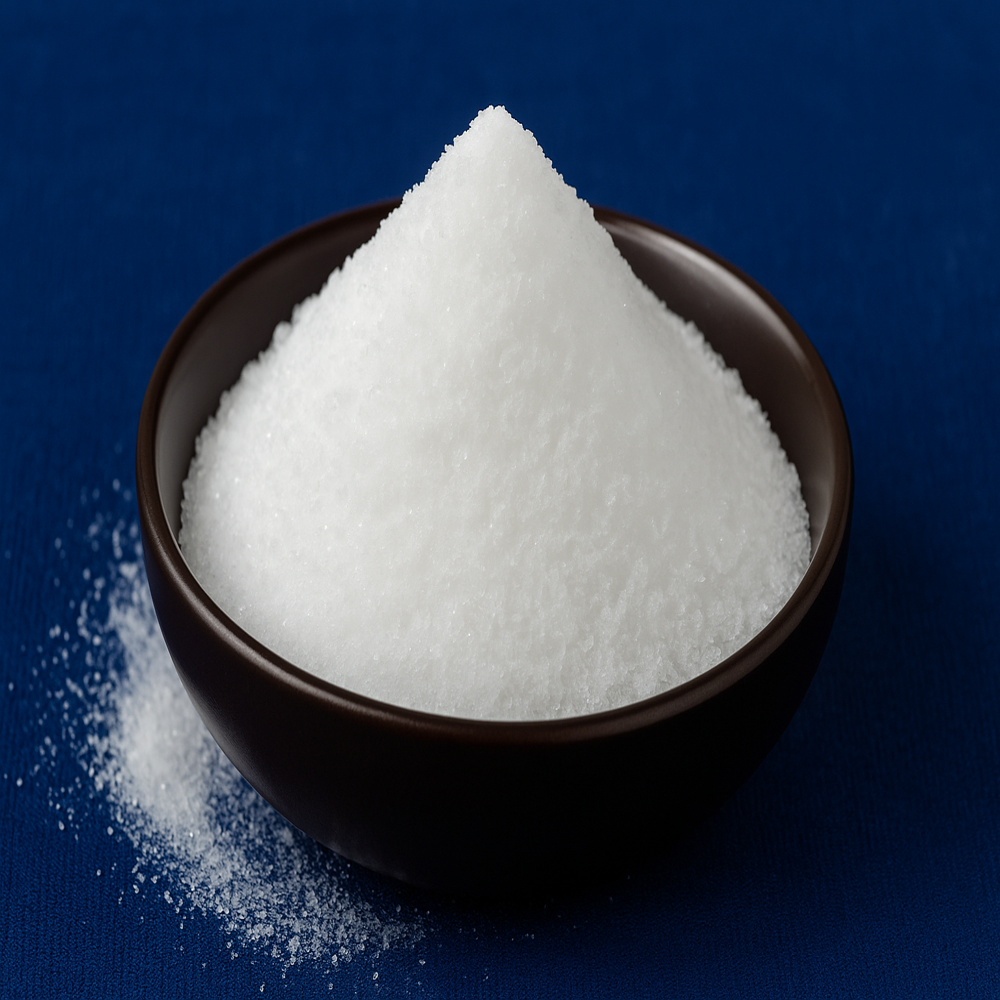
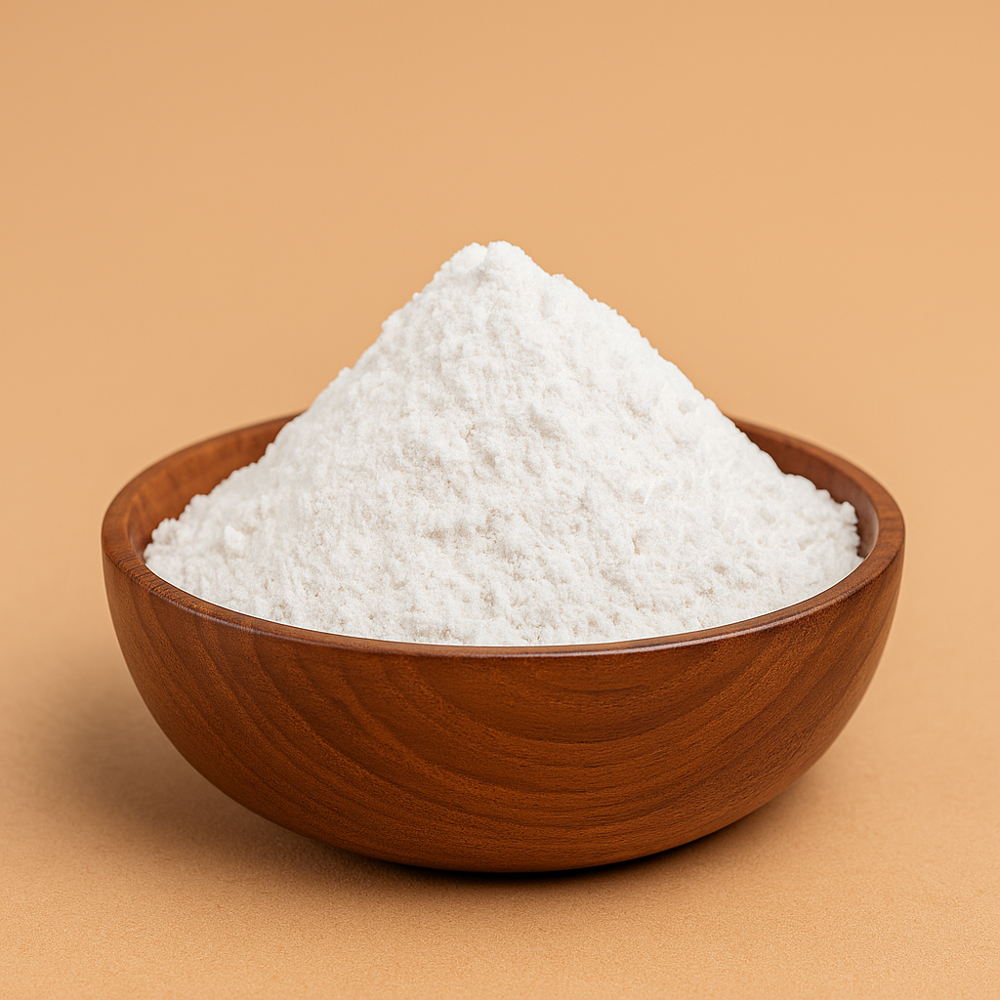
White, free-flowing powder
-
Excellent thermal and chemical stability
-
Low moisture content
-
Functions
-
Acts as a calcium source in ceramic formulations
-
Helps reduce firing temperature
-
Improves brightness and surface finish
-
Enhances the strength and durability of ceramic bodies
-
Used in fluxing to assist melting in glass production
-
Main Applications:
Versatile Filler for Industrial ApplicationsPrecipitated Calcium Carbonate (PCC) serves as an efficient industrial filler, particularly for glass and ceramics industries, offering enhanced bulk, improved material properties, and cost advantages. Its matt finish and fine powder form allow for seamless incorporation into countless manufacturing processes, delivering consistent results and elevated product standards.
Exceptional Purity and ConsistencyOur PCC is manufactured under strict guidelines to deliver a product that boasts high purity, uniform particle size, and dependable quality. The opaque, white powder is formulated for even dispersion throughout application surfaces, ensuring reliable performance across all industrial usages.
FAQ's of CALCIUM CARBONATE PRECIPITATED:
Q: How is Precipitated Calcium Carbonate (PCC) typically used in industrial applications?
A: PCC is widely utilized as a high-quality filler in the production of glass and ceramics. Its matte finish and fine powder texture allow it to blend evenly, improving mechanical strength and surface smoothness in the final products while also reducing manufacturing costs.
Q: What benefits does the matte finish of this calcium carbonate provide for industrial fillers?
A: The matte finish ensures reduced light reflection and a more uniform surface appearance, which is especially beneficial in glass and ceramic manufacturing where smooth, consistent finishes are required.
Q: When should Precipitated Calcium Carbonate be added to the manufacturing process?
A: PCC should be incorporated during the blending or mixing stage of production, ensuring even distribution throughout the mixture for optimal results and consistent product quality.
Q: Where can this PCC be applied within industrial sectors?
A: This product is engineered primarily for use on glass and ceramics surfaces but can extend to other industrial applications requiring a reliable, high-purity inorganic filler.
Q: What is the process of manufacturing Precipitated Calcium Carbonate powder?
A: PCC is produced by chemical precipitation, where calcium ions react with carbonate ions to form a fine, high-purity powder. This process allows for precise control over the properties and quality of the final product.
Q: How does the use of this PCC benefit manufacturing operations?
A: Using our PCC as an industrial filler offers improved product consistency, better mechanical properties, and significant cost efficiency by optimizing raw material usage and final product quality.









 Send Inquiry

 Send Inquiry


 Send Inquiry


 English
 Spanish
 French
 German
 Italian
 Chinese (Simplified)
 Japanese
 Korean
 Arabic
 Portuguese