About hydrogen peroxide
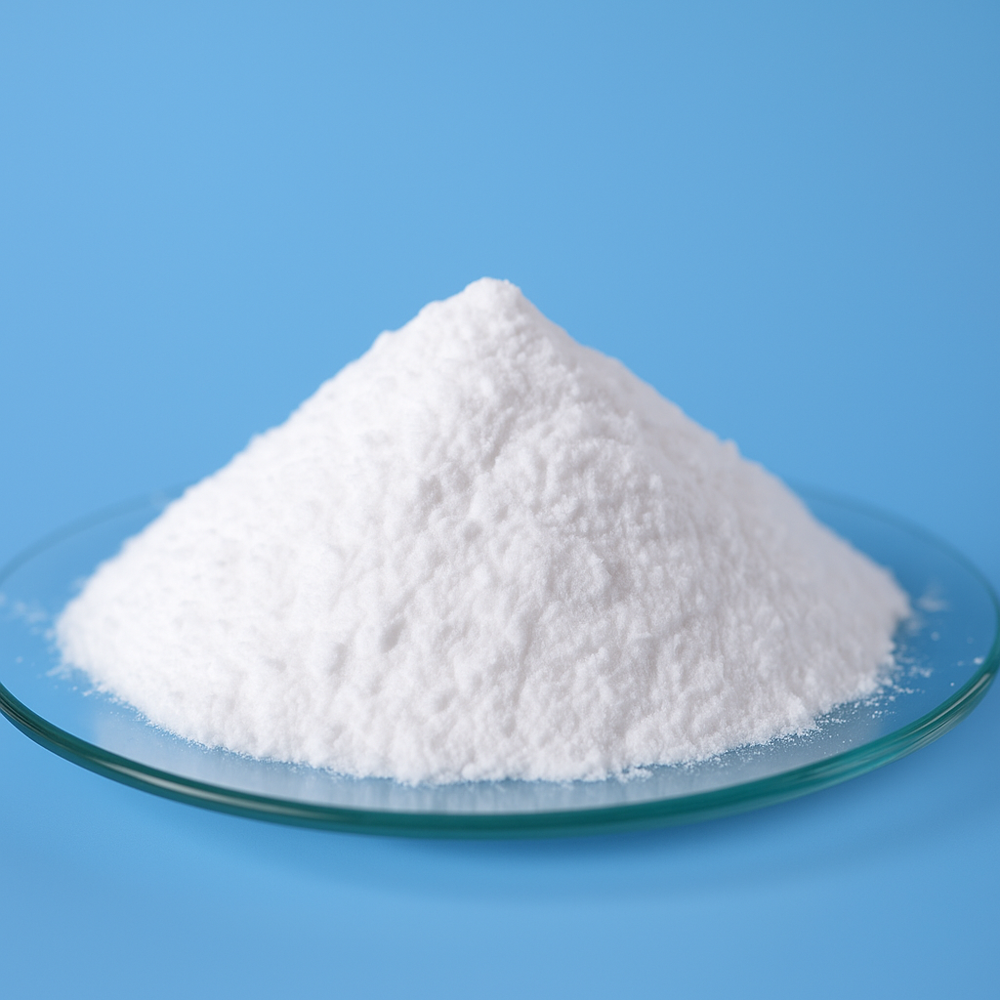
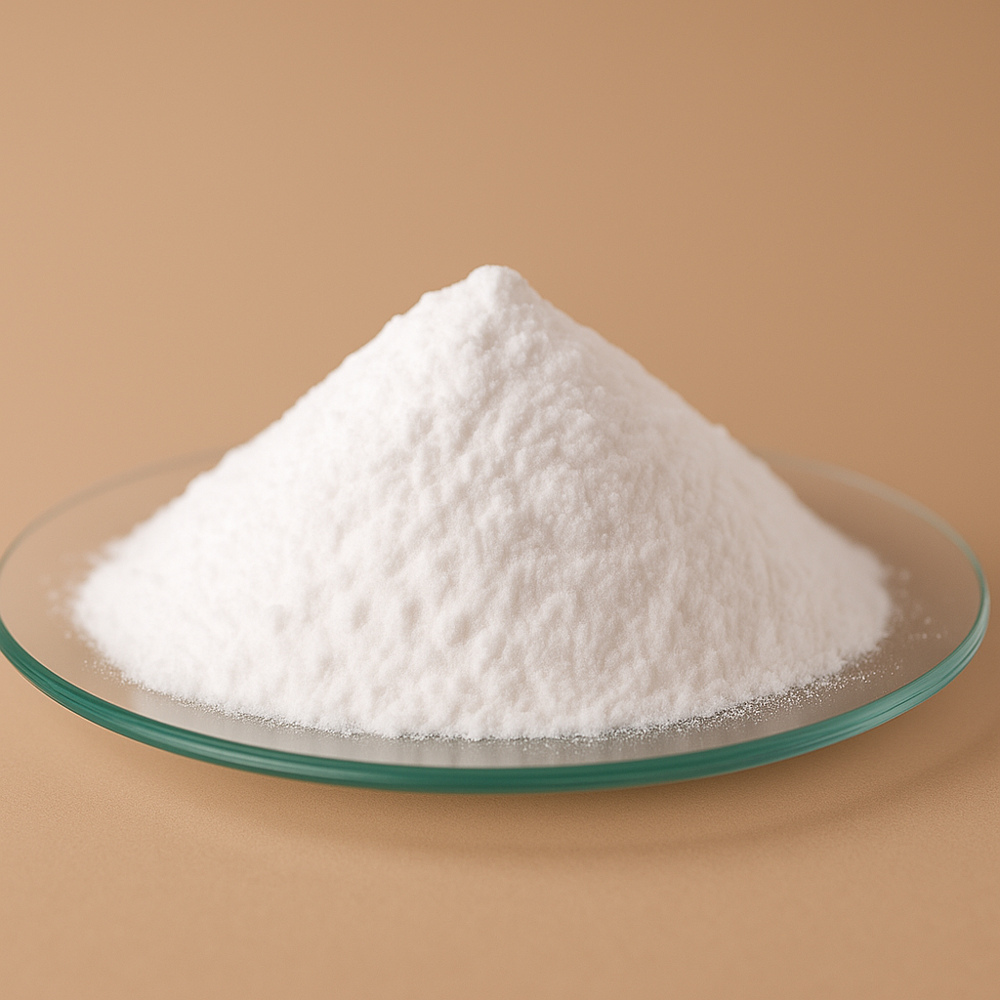
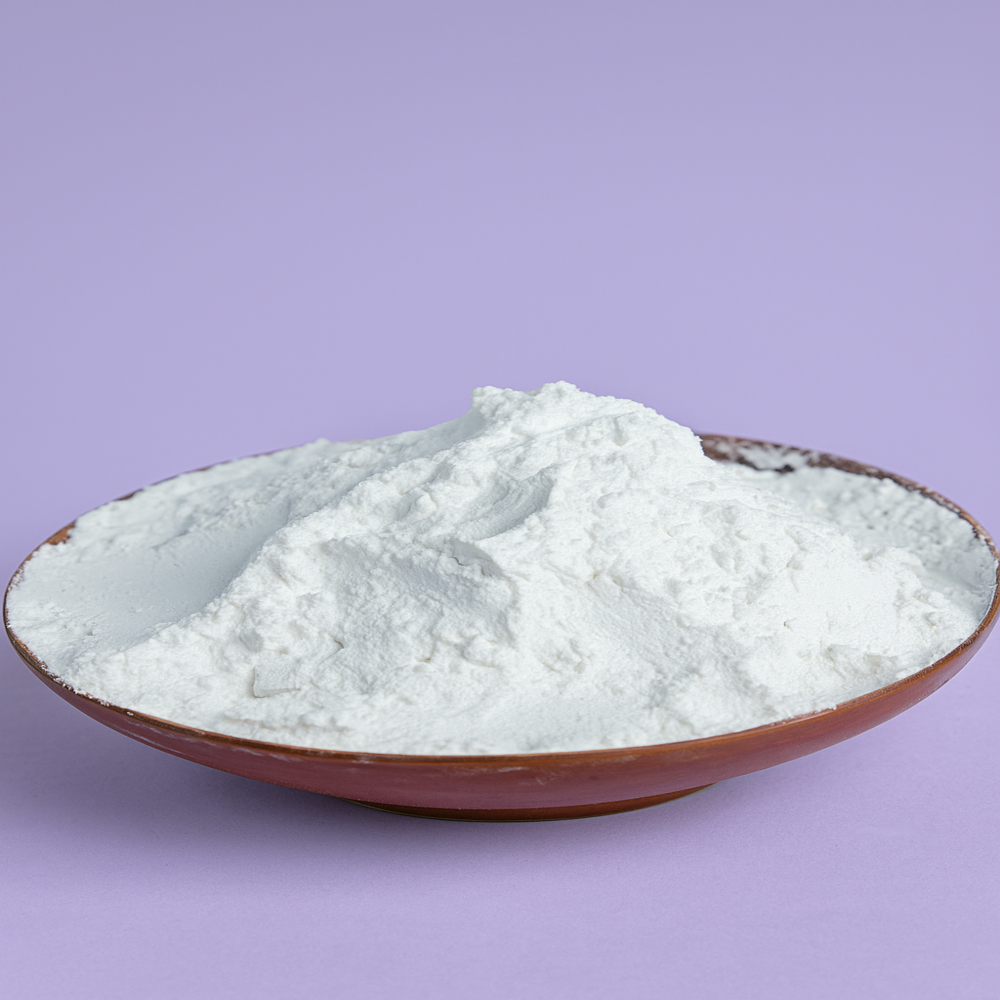
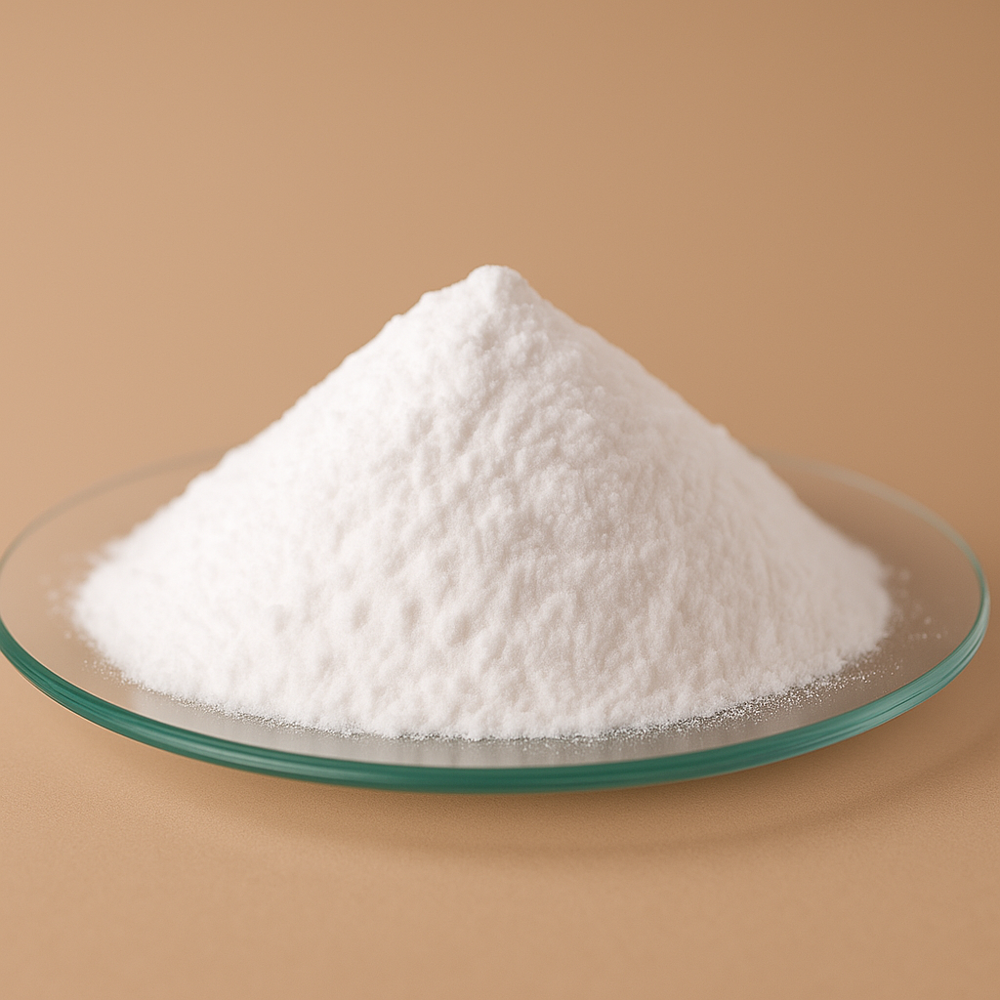
Sodium Bicarbonate (also called baking soda) is a white powder used in animal feed. It is safe and helps animals stay healthy by balancing acid levels in their stomachs.
Main Uses:
-
Keeps the stomach pH balanced, especially in cows
-
Helps prevent digestive problems (like acidosis)
-
Provides sodium, which animals need
-
Improves milk production in dairy cows
-
Features:
Innovative Acidosis Control for LivestockHydrogen peroxide is an advanced nutritional additive for ruminants, primarily used to mitigate risks associated with grain-rich diets by functioning as a buffering agent. Its inclusion in feed helps to stabilize rumen pH, thus protecting animals from the negative impacts of acidosis and promoting overall digestive health.
Electrolyte Supplementation for Poultry and SwineIn addition to its benefits for ruminants, hydrogen peroxide is an effective electrolyte supplement for poultry and swine. This application supports proper hydration and nutrient balance, which are essential for optimal growth and production performance in these animals.
Boosting Dairy Cattle ProductivityDairy producers incorporate technical-grade hydrogen peroxide to stimulate feed intake and enhance milk yield. By maintaining digestive efficiency and supporting nutrient utilization, the product plays a crucial role in achieving higher productivity and healthier livestock herds.
FAQ's of hydrogen peroxide:
Q: How is hydrogen peroxide used as a buffering agent in ruminant feed?
A: Hydrogen peroxide is added to ruminant feed to help buffer the rumen environment, especially in high-grain diets. This helps neutralize excess acidity, maintaining a stable rumen pH and reducing the risk of acidosis.
Q: What are the main benefits of using hydrogen peroxide in livestock nutrition?
A: The primary benefits include improved digestive health in ruminants, enhanced electrolyte balance in poultry and swine, increased feed intake, and higher milk production in dairy cattle. It supports better nutrient absorption and overall animal performance.
Q: When should hydrogen peroxide be incorporated into animal feed diets?
A: Hydrogen peroxide is best used when animals are on high-concentrate, grain-rich diets or facing risks of ruminal acidosis. It can also be administered during periods of high production stress or when boosting electrolyte levels is necessary.
Q: Where is this technical-grade hydrogen peroxide manufactured and supplied?
A: This product is manufactured and exported from India and is available through reputable manufacturers, suppliers, and exporters specializing in animal nutrition solutions.
Q: What is the process for introducing hydrogen peroxide into feed rations?
A: Feed professionals or nutritionists typically blend the specified amount of hydrogen peroxide powder with animal feed, ensuring even distribution to achieve the desired buffering or electrolyte effects without altering feed palatability.
Q: How does hydrogen peroxide improve milk production in dairy cattle?
A: By stabilizing rumen pH and promoting efficient digestion, hydrogen peroxide enhances feed utilization, encourages greater feed intake, and creates optimal conditions for milk synthesis, resulting in increased milk yields.








 Send Inquiry


 Send Inquiry


 Send Inquiry


 English
 Spanish
 French
 German
 Italian
 Chinese (Simplified)
 Japanese
 Korean
 Arabic
 Portuguese
