About MALTOGENIC AMYLASE
Our Maltogenic Amylase is a specialized enzyme widely used in the baking industry to improve texture and extend shelf life. It works by breaking down starch into maltose, which helps control staling, enhances softness, and maintains freshness in bread and other baked goods. Safe and stable, it is an essential enzyme for modern food processing.
Main Functions:
-
Breaks down starch into maltose.
-
Delays staling in bakery products.
-
Improves softness and freshness.
Features:
-
High activity and stable enzyme.
-
Food-grade and safe for use.
-
Enhances shelf life of baked goods.
Uses:
-
Improves texture and flavor of bread.
-
Maintains softness in cakes and pastries.
-
Controls retrogradation of starch.
Applications:
-
Bakery industry (bread, cakes, biscuits, pastries).
-
Confectionery.
-
Starch-based food processing.
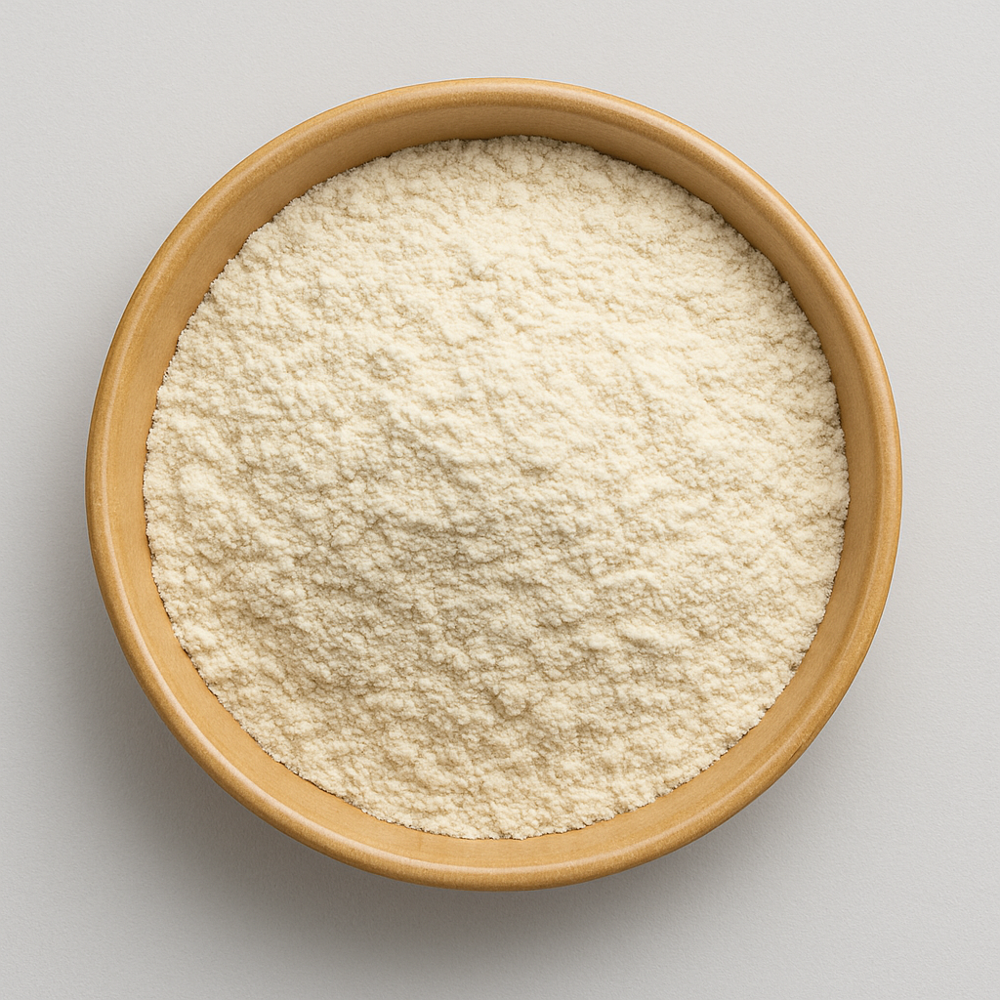
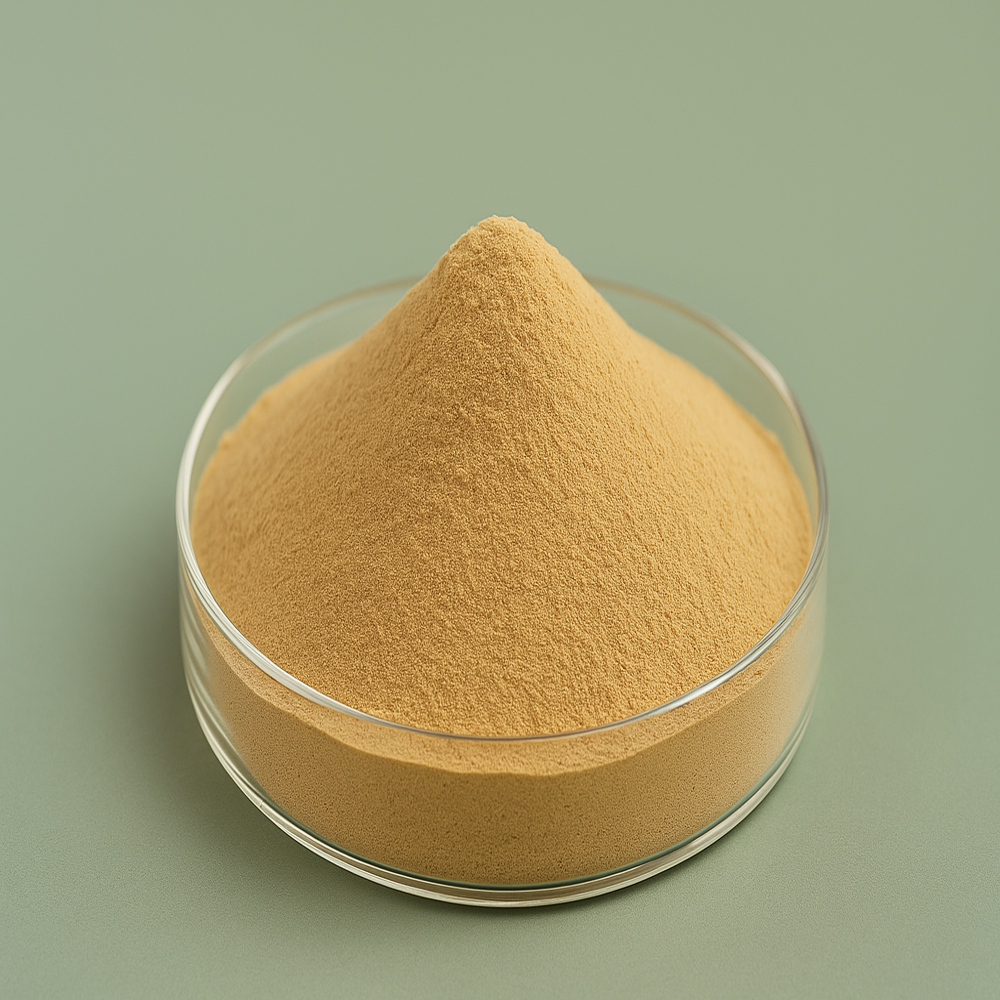
Enhance Freshness with Maltogenic AmylaseMaltogenic Amylase effectively delays staling in baked goods by modifying starch molecules, resulting in softer texture and extended shelf life for bread, buns, and cakes. Its application ensures that bakery products remain fresh and appealing for longer periods, reducing waste and improving customer satisfaction. The cream-colored powder formulation is easy to blend with standard baking ingredients.
Reliable Shelf Life and Simple StorageEnjoy consistent performance with Maltogenic Amylase, which boasts a two-year shelf life and maintains its enzymatic activity when stored at room temperature. This attribute allows for flexible storage solutions and ease of integration into manufacturing processes for exporters, manufacturers, and suppliers across India and beyond.
FAQ's of MALTOGENIC AMYLASE:
Q: How does Maltogenic Amylase benefit the production of bread, buns, and cakes?
A: Maltogenic Amylase works by breaking down starches in baked goods, which helps retain moisture and maintain softness. This process delays the staling of bread, buns, and cakes, thereby extending their shelf life and enhancing overall product quality.
Q: What is the recommended way to use Maltogenic Amylase in baking applications?
A: It is best to add the cream-colored powder directly to the dough during the mixing stage. Follow the manufacturer's guidelines for dosage to ensure optimal enzymatic activity without affecting the taste or texture of your bakery products.
Q: When should Maltogenic Amylase be incorporated into the baking process?
A: Maltogenic Amylase should be added at the beginning of the dough preparation process, typically during the initial mixing of ingredients, to ensure even distribution and effective starch modification.
Q: Where should Maltogenic Amylase be stored to maintain its effectiveness?
A: Store the product at room temperature in a sealed container, away from direct sunlight and moisture. Proper storage will help preserve its enzymatic activity throughout the two-year shelf life.
Q: What are the key advantages of using Maltogenic Amylase for manufacturers and suppliers?
A: Manufacturers and suppliers benefit from Maltogenic Amylase by being able to produce bakery goods with longer shelf life, fresher texture, and lower waste due to spoilage. Its stable form as a cream-colored powder also makes handling and storage convenient.
Q: Is the taste of baked products affected by Maltogenic Amylase?
A: No, Maltogenic Amylase has a minimal impact on taste, making it suitable for a variety of bakery applications without altering the flavor profile of bread, buns, or cakes.









 Send Inquiry

 Send Inquiry


 Send Inquiry
 Call Me Free


 English
 Spanish
 French
 German
 Italian
 Chinese (Simplified)
 Japanese
 Korean
 Arabic
 Portuguese